
Mastering high-stakes gambling Strategies for success at the casino
Understanding the Psychology of High-Stakes Gambling
High-stakes gambling is not just about luck; it involves a deep understanding of psychology. Successful gamblers must recognize their own emotions and tendencies, as well as those of their opponents. The high-pressure environment of a casino can provoke anxiety, excitement, and even fear, which can impact decision-making. Being aware of these psychological factors can help players maintain control over their gameplay and make informed decisions. One might find useful insights on this subject at https://thewaitingroom.co.nz/, where resources for understanding ethical considerations in gambling are provided.
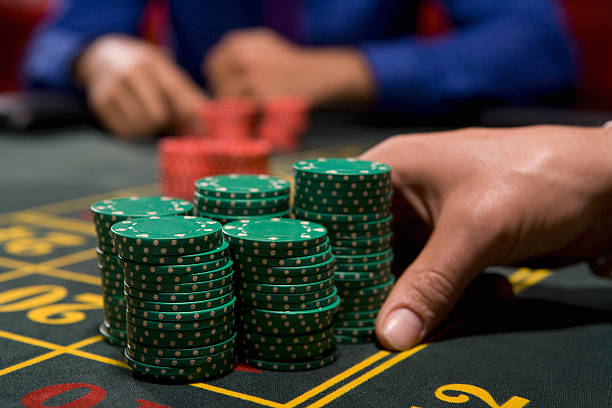
Moreover, understanding the psychology of opponents plays a crucial role. High-stakes players often employ tactics such as bluffing, reading body language, and interpreting betting patterns. By developing the ability to read other players, one can gain a strategic edge. This psychological insight allows for more confident decisions and can turn the tide in favor of the player.
Bankroll Management: The Key to Longevity
Effective bankroll management is one of the cornerstones of high-stakes gambling. Setting a budget and adhering to it is vital to avoid catastrophic losses. Successful gamblers allocate a specific amount for each session and avoid dipping into funds meant for other purposes. This discipline not only preserves capital but also enhances emotional stability during gameplay.
Additionally, understanding the variance and volatility of games is essential. High-stakes games can swing dramatically, and having a solid plan for both winning and losing streaks can mitigate the emotional toll. A good rule of thumb is to never wager more than a certain percentage of the total bankroll in a single session, allowing for a sustainable and responsible approach to gambling.
Choosing the Right Games and Strategies
Selecting the right games is critical in high-stakes gambling. Different games have varying odds and strategies associated with them. For example, table games like poker require a mix of skill and luck, while slot machines are purely luck-based. High-stakes players should focus on games where they can leverage skill, as this increases their chances of long-term success.
Moreover, implementing proven strategies can significantly affect the outcome. For instance, in poker, understanding odds and employing strategies such as pot odds and implied odds can be advantageous. High-stakes players should continuously refine their strategies through practice and education, ensuring they stay ahead of the competition.
The Role of Emotional Control in Gambling
Emotional control is essential in high-stakes gambling. The thrill of the game can lead to impulsive decisions, resulting in significant losses. Therefore, players must cultivate emotional discipline, learning to detach from their emotions and maintain a rational mindset. Taking breaks, setting limits, and practicing mindfulness can aid in managing emotions during gameplay.
Additionally, recognizing the signs of tilt—where emotions compromise decision-making—is vital. High-stakes players should have strategies in place for dealing with tilt, such as stepping away from the table or engaging in relaxation techniques. Mastering emotional control can ultimately determine a player’s success in high-stakes environments.
Resources for Responsible Gambling
For those navigating the thrilling yet risky world of high-stakes gambling, resources for responsible gambling are crucial. It is important for players to be aware of their limits and utilize tools that promote safe gambling practices. Many casinos offer resources and support services, ensuring that players can engage in gambling as a form of entertainment rather than a source of stress.
Additionally, understanding the importance of self-regulation and the ethical considerations surrounding gambling is essential. Engaging in responsible gambling not only protects individual players but also fosters a healthier gaming environment for everyone involved. As players seek to enhance their strategies and enjoyment, prioritizing responsible gambling practices should always remain at the forefront.